




In the current digital-first business landscape, user expectations are higher than ever. Whether someone is browsing an online store, using a SaaS product, or engaging with a mobile app, users expect experiences that are intuitive, fast, and personalized. As digital experiences evolve, so does the field of UX (User Experience) design and one of the most transformative forces in this evolution is Artificial Intelligence (AI).
For agencies like Fineart Design Agency, specializing in web design, UX research, and branding, understanding how AI influences user experience is crucial. In this blog, we’ll explore how AI is changing the UX landscape, what opportunities it presents, and how businesses can leverage AI to create superior digital experiences that not only delight users but also drive results.
What Is AI in UX Design?
Artificial Intelligence in UX design refers to the use of machine learning, predictive analytics, automation, and data-driven decision-making to improve how users interact with digital products and services. Instead of relying solely on human intuition or static rules, AI enables systems to learn from user behavior, anticipate needs, and adapt experiences in real time.
AI in UX design is not about replacing designers rather; it empowers designers with actionable insights and tools that enhance creativity, efficiency, and personalization.
Why AI Matters for User Experience
User behavior is complex and constantly evolving. Traditional UX design relies on human research interviews, surveys, tests, and analytics to understand behavior. While these methods remain valuable, AI introduces a new level of contextual insight and automation that was previously impossible.
Data-Driven Personalization
AI can analyze vast amounts of user data such as browsing history, click behavior, session time, and past purchases to tailor experiences at an individual level. For example:
- Personalized content recommendations
- Dynamic interface adjustments based on user preferences
- Predictive search suggestions
These personalized interactions help users find what they need faster, improving satisfaction and conversions.
Key Areas Where AI Is Transforming UX Design
- Predictive User Behavior Modeling
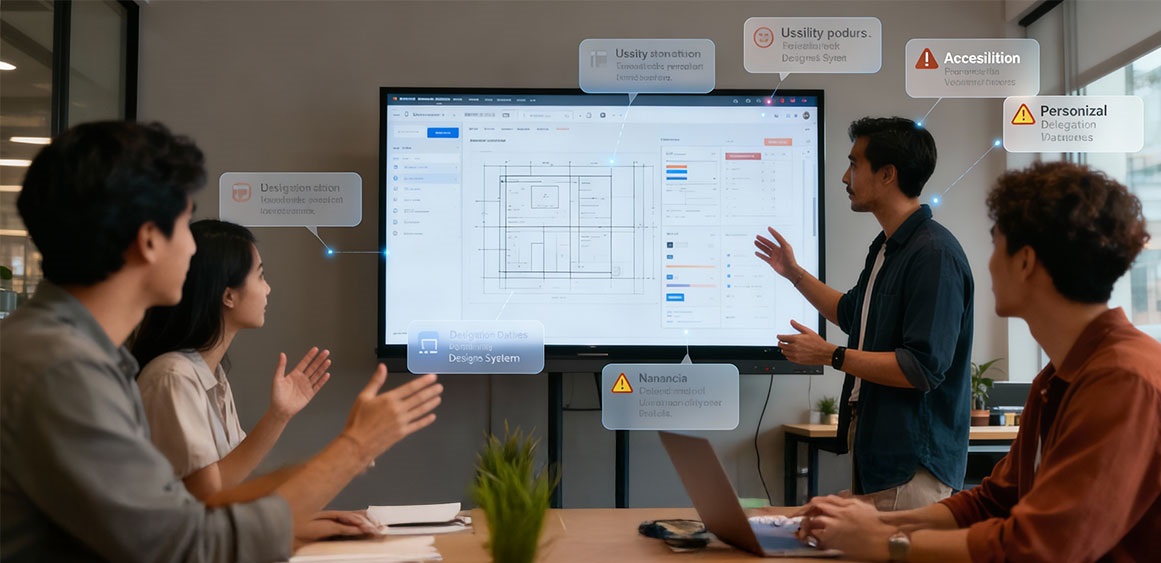
AI algorithms can predict how users will interact with digital interfaces by analyzing patterns in large datasets. This helps designers:
- Anticipate user needs
- Optimize navigation flows
- Reduce friction points
A practical example is an ecommerce platform that recommends products based on a user’s browsing behavior leading to higher engagement and increased sales.
- Chatbots and Conversational Interfaces
Modern chatbots use AI and natural language processing (NLP) to understand user intent and provide meaningful responses. This delivers:
- 24/7 support
- Instant answers to common queries
- Seamless conversational experiences
When applied effectively, AI-powered chatbots reduce support costs and improve user satisfaction by quickly addressing issues without waiting for human assistance.
- AI-Enabled UX Research Tools
AI tools can process user feedback, session recordings, heatmaps, and usability tests at scale. Some key benefits include:
- Automated sentiment analysis
- Identifying interaction patterns
- Highlighting problematic design elements
Instead of spending weeks analyzing large datasets manually, designers can use AI tools to generate insights in hours, allowing teams to iterate faster and with more precision.
- Adaptive User Interfaces
Adaptive interfaces adjust layout, content, and interaction based on user data. For instance:
- A dashboard that reorganizes itself based on user frequency of feature use
- A mobile app that changes font size or layout for accessibility preferences
- A homepage that highlights promotions based on geographic location
These dynamic changes enhance user engagement and accessibility, making users feel understood and valued.
- Voice and Gesture Interfaces
Voice assistants and gesture recognition are becoming prominent features in modern UX. With AI handling the understanding of natural language and user intent, interfaces become more intuitive especially on devices where typing is inconvenient.
Applications of voice AI in UX include:
- Voice navigation in apps
- Smart device interaction
- In-app voice commands for tasks
These experiences provide accessibility to a broader user base and offer alternative navigation modes beyond traditional touch or click.
AI Tools Designers Are Using Today
AI technologies are rapidly improving UX workflows. Some commonly used AI tools include:
- Machine Learning Platforms: TensorFlow, PyTorch
- AI-Driven Analytics: Google Analytics with AI insights, Hotjar, FullStory
- Personalization Engines: Dynamic Yield, Optimizely
- Chatbots & Conversational AI: IBM Watson, Dialogflow, Microsoft Bot Framework
- Content Generation & Enhancement: GPT-based tools, Canva with AI design suggestions
These tools help designers and businesses make smarter, faster decisions based on real user data and predictive insights.
Benefits of Integrating AI in UX Design
- Improved Conversions
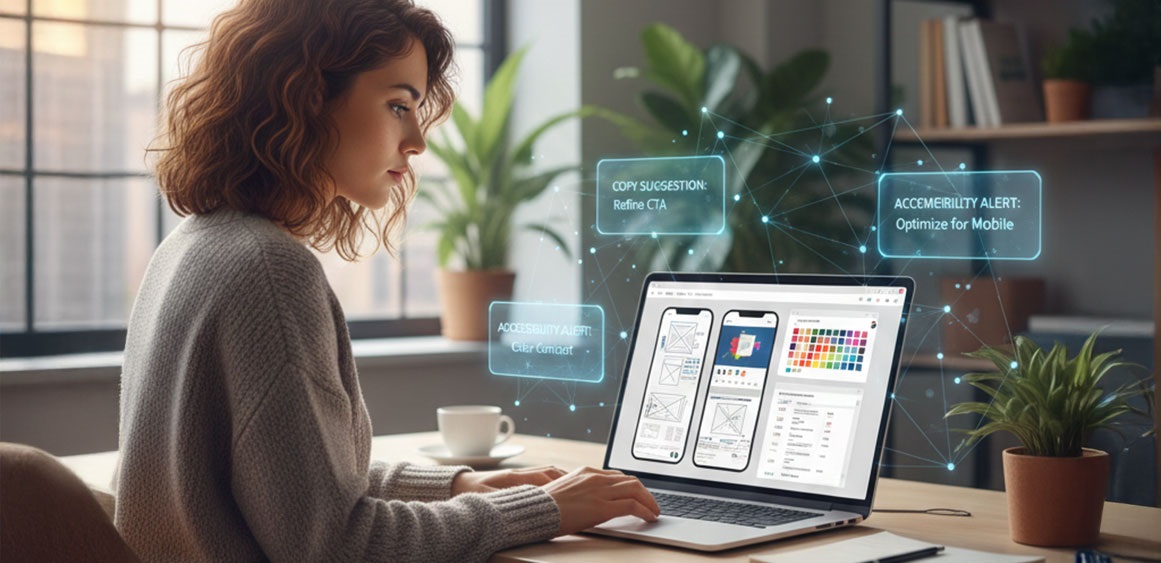
AI accelerates decision-making by personalizing content and pathways, increasing the likelihood of conversions whether it’s a purchase, signup, or download.
- Enhanced User Satisfaction
Users feel valued when their experience adapts to their preferences. Personalization fosters loyalty and encourages repeat engagement.
- Faster Iteration Cycles
AI-enabled user research tools reduce manual analysis time, allowing design teams to iterate quickly based on real data.
- Better Accessibility
AI can tailor experiences for users with disabilities by adjusting interfaces, language complexity, and interaction modes.
Challenges and Considerations
While AI in UX offers many advantages, there are important considerations:
- Data Privacy
Personalization often relies on user data. Ensuring privacy and compliance with regulations (like GDPR) is critical.
- Balancing Automation and Human Insight
AI is a powerful tool, but it should support not replace human creativity and empathy in design.
- Bias in AI Models
AI models can unintentionally reinforce bias if trained on skewed data. Regular evaluation and diverse data sets are essential.
How Businesses Can Start Using AI in UX
- Amazon
Amazon’s recommendation engine uses AI to personalize product suggestions, leading to increased sales and repeat purchases.
- Netflix
If you are considering incorporating AI into your UX strategy, here are practical steps to begin:
- Audit User Data
Collect and clean user data from multiple sources analytics, heatmaps, session recordings to understand usage patterns.
- Choose the Right AI Tools
Select AI tools based on your needs whether for personalization, analytics, chatbots, or adaptive interfaces.
- Test & Learn
Start small with A/B tests and pilot features to understand the impact of AI enhancements before full rollout.
- Collaborate Across Teams
Bring together designers, developers, marketers, and data scientists to ensure AI initiatives align with business goals.
Real-World Examples of AI in UX
- Amazon
Amazon’s recommendation engine uses AI to personalize product suggestions, leading to increased sales and repeat purchases.
- Netflix
Netflix leverages AI to deliver custom viewing recommendations, encouraging longer user sessions and higher engagement.
- Spotify
Spotify’s personalized playlists and music suggestions are powered by AI, creating a unique experience for each user.
These examples show how powerful AI can be when applied thoughtfully in user experience and why businesses across industries are investing in AI-driven design.
AI + UX: What This Means for Your Business
At Fineart Design Agency, we believe in using the latest technologies to create meaningful digital experiences. AI is not a trend a transformative approach that can elevate your user experience by:
- Improving personalization
- Enhancing usability
- Accelerating growth
By blending human creativity with machine intelligence, Fineart helps brands design experiences that resonate with their audience and deliver measurable results.
Whether you’re launching a new product, optimizing an existing website, or building your brand online, integrating AI principles into your UX strategy will future-proof your digital presence.
Conclusion: AI Is the Future of UX Design
AI is reshaping the way we think about design, offering tools and strategies that help businesses understand and serve users in ways that were impossible a decade ago. AI enhances UX by bringing personalized, adaptive, and efficient experiences to life.
Ultimately, the future of UX design is not just about creating beautiful interfaces it’s about building intelligent experiences that learn from users, evolve over time, and drive real value for your business.
